Murder
Stones
Scattered across the British countryside are stones — some carved deliberately, some simple boulders pressed into service — raised at the exact spot where someone was killed. Most carry a name, a date, and a warning in verse. Almost none of them are properly catalogued.
Stones raised where blood was spilled
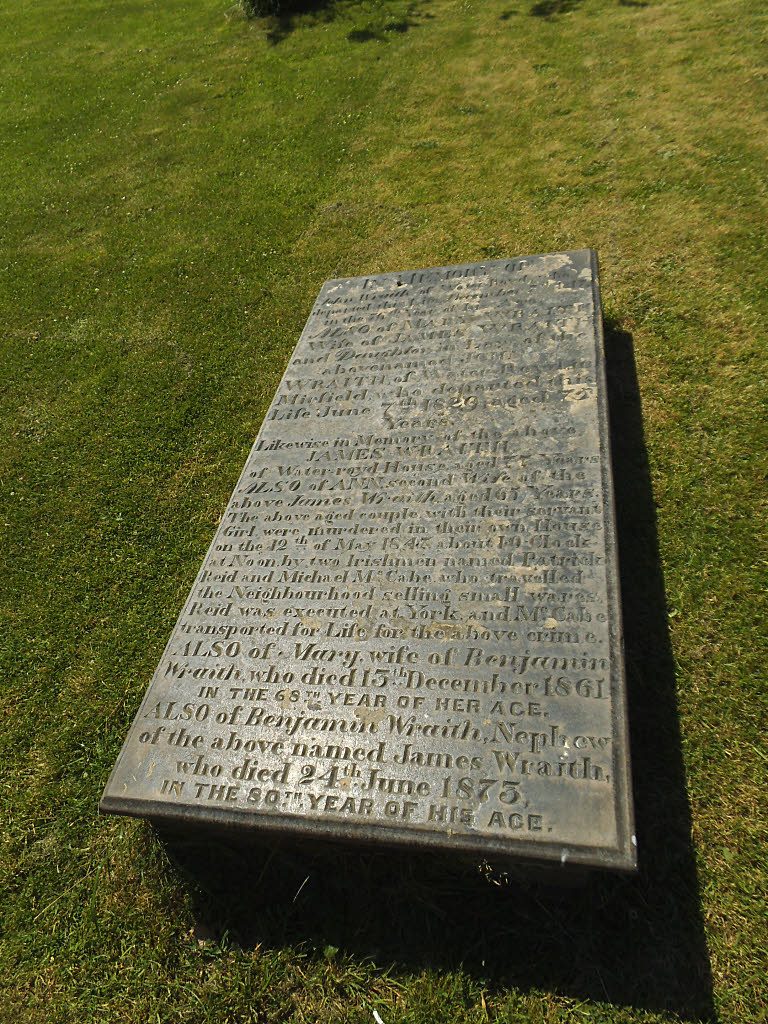
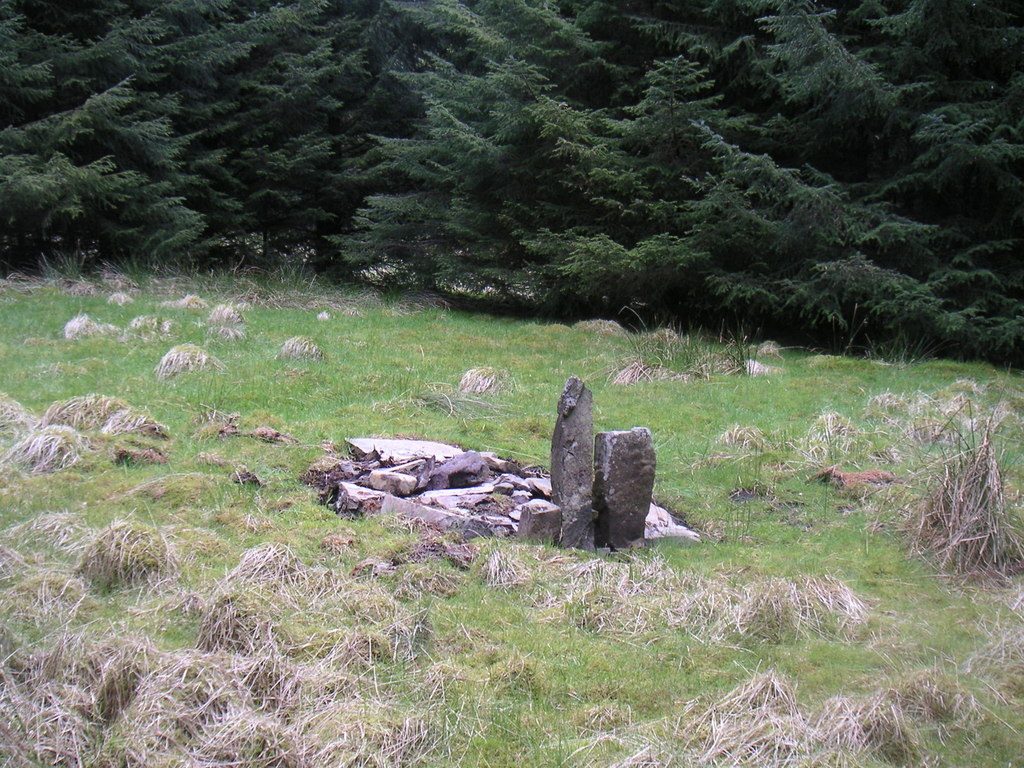
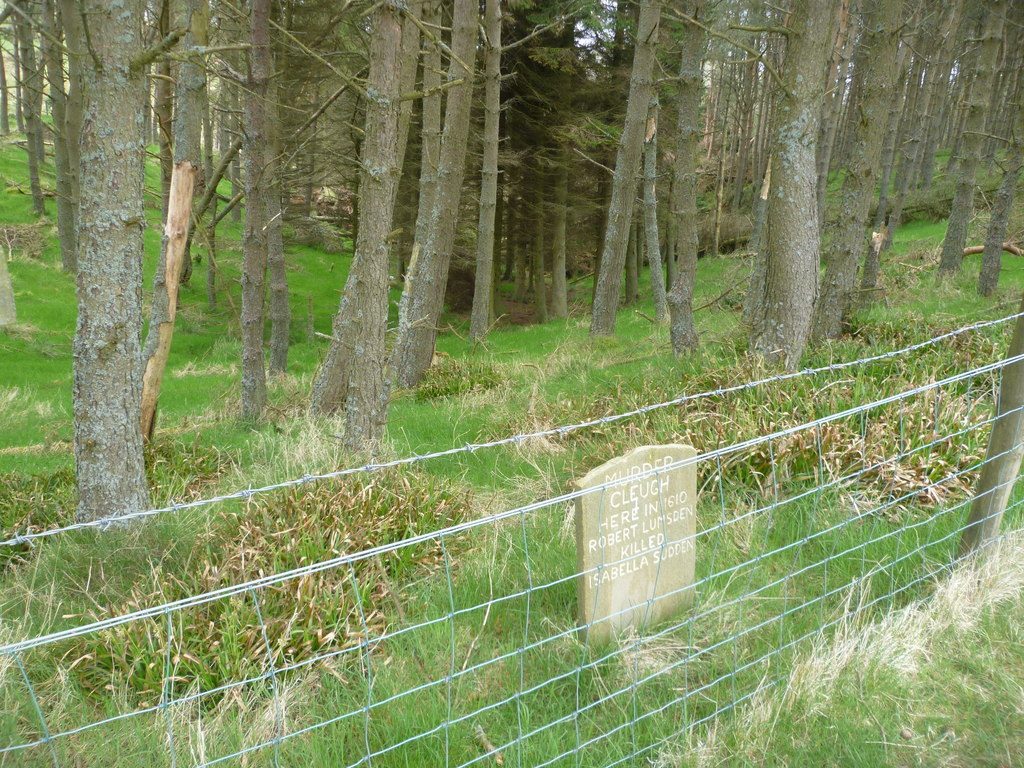
Murder stones — sometimes called murder posts or murder pillars — mark the exact spot of a killing, usually a robbery-murder on a lonely road, moor, or footpath. The custom runs strongest through the Pennines, the Peak District, and the moorland parishes of Yorkshire, but examples turn up wherever a community felt the need to fix a violent death permanently into the landscape.
Most give the barest facts — a name, sometimes only "a stranger," a date, and the manner of death — followed by a few lines of verse warning the reader against violence, drink, or greed. Weather has not been kind to them. Many recorded in nineteenth-century parish histories are now illegible, overgrown, moved, or simply gone, known only from a rubbing or a transcription in an old book.
This is an attempt to build a public, plain-text record of the ones that survive — and the ones that don't, but were once written down.
- Also known as
- Murder post, murder pillar, murder cross
- Typical form
- Roadside boulder, wayside pillar, or dressed slab
- Usual text
- Victim, date, cause, moralising verse
- Common ground
- Moorland roads, footpaths, parish boundaries
- Present state
- Scattered, undercatalogued, frequently lost
They vanish quietly
Ploughed under, moved for road-widening, or worn past reading — most losses happen without anyone noticing until the stone is gone.
Sources are scattered
Local history societies, walking guides, and antiquarian journals each hold fragments. Nobody has stitched them together.
Anyone can log one
If you've stood in front of one, walked past one, or found one in an old book — that's enough to start a record.
Record a stone
Fill in what you know — approximate details are welcome. Entries are reviewed before they're added to the archive.